
Have you ever think about how many overseas digital services we use every day? From subscribing to streaming platforms and purchasing software licenses for work to shopping on international e-commerce platforms, cross-border digital transactions have become an integral part of modern life.
The continued growth of cross-border digital transactions has created a need for a more integrated mechanism to support tax collection within Indonesia’s digital economy. This led to the establishment of the Tax Collection System for Foreign Digital Transaction (SPP-TDLN) through Presidential Regulation No. 68 of 2025, with PT Jalin Pembayaran Nusantara (Jalin) appointed to operate the system.
The framework was further strengthened through Minister of Finance Regulation No. 49 of 2026, which sets out the mechanisms for tax collection, remittance, reporting, and the operational processes involving relevant payment institutions. With this framework in place, tax collection is supported not only by regulation, but also by an integrated system designed to enable a seamless and connected process.
So, what does this system mean for us as everyday users? Here is a closer look.
- Simply Pay, Without Having to Calculate the Tax Yourself - When we hear the word “tax,” we might immediately imagine having to calculate an additional percentage every time we renew a subscription to our favourite app. Fortunately, that is not how the process works. The system operated by Jalin runs automatically behind the scenes. For users, there is no additional registration process and no need to manually calculate the tax. The experience remains as straightforward as completing an ordinary digital payment.
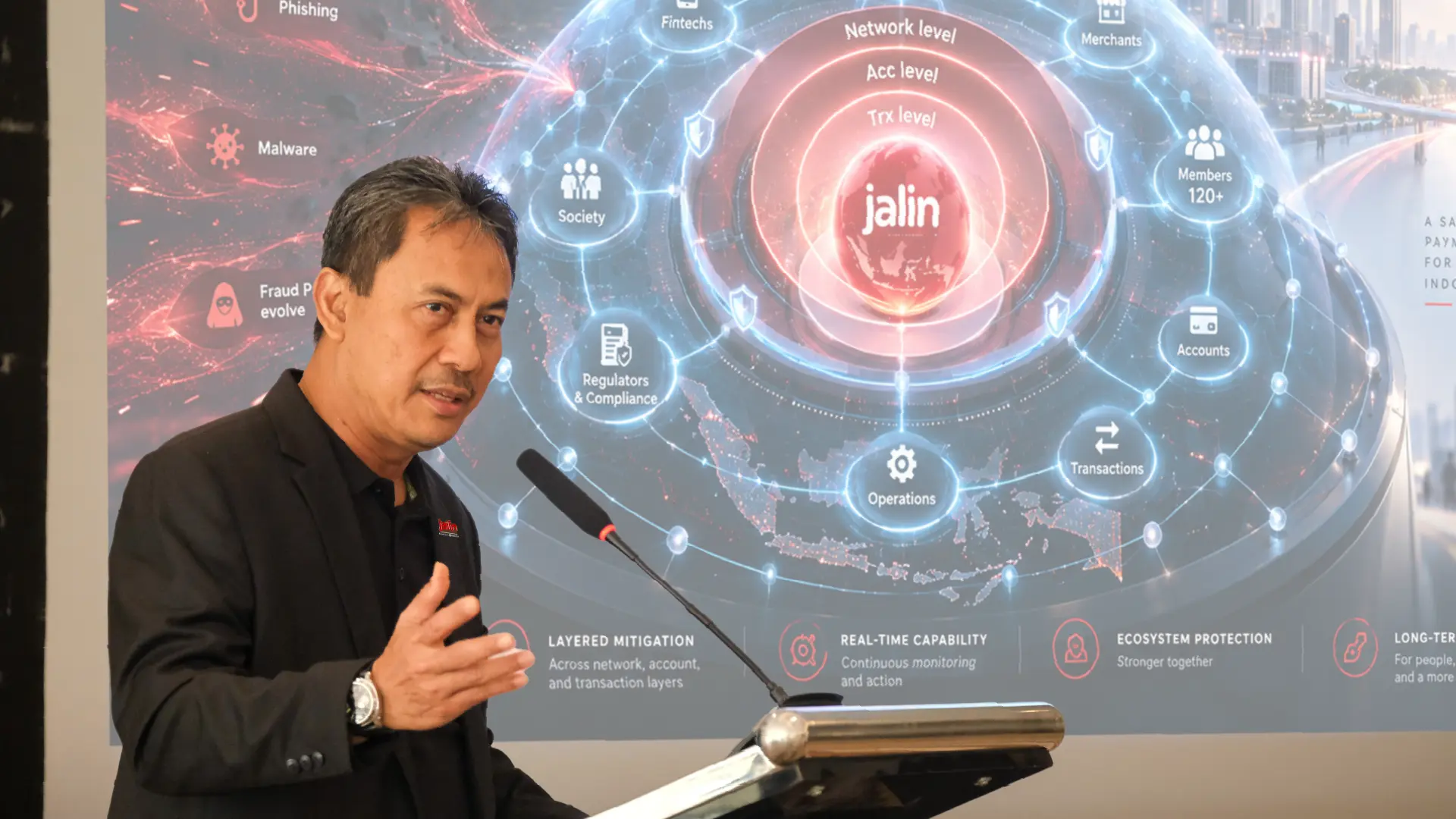
- A Seamless Experience, with Data Protection Built In - Managing millions of cross-border transactions also means handling highly critical information. As an operator of critical payment infrastructure, Jalin applies robust cybersecurity standards to support the security and reliability of the system. This goes beyond a purely technical IT function. It is part of a broader commitment to protecting user funds, safeguarding data integrity, and strengthening the resilience of Indonesia’s digital payment ecosystem against evolving cyber threats.
- Supporting National Development - Tax revenue collected through these transactions ultimately contributes to state revenue, which can in turn support public infrastructure, government programmes, and broader national development priorities. In this way, everyday digital transactions can also form part of a wider economic cycle that supports public services and long-term development.
- Creating a Fairer Level Playing Field - SPP-TDLN is not solely about increasing state revenue. It also plays an important role in creating a fairer level playing field within Indonesia’s digital economy. Domestic businesses have long operated under Indonesia’s tax framework. Through the implementation of SPP-TDLN, global digital platforms are also expected to operate within the applicable rules. This helps create a more balanced environment in which both local and international players can compete on a more equal footing. The result is a healthier and more sustainable digital ecosystem for Indonesia.
In short, Jalin’s role in SPP-TDLN reflects Indonesia’s continued progress in building a more integrated, technology-enabled digital payment infrastructure. Users can continue enjoying their preferred digital services with confidence, supported by seamless transactions, robust data protection, and a system that helps ensure the country receives its rightful tax revenue in a fair and sustainable manner.

.webp)