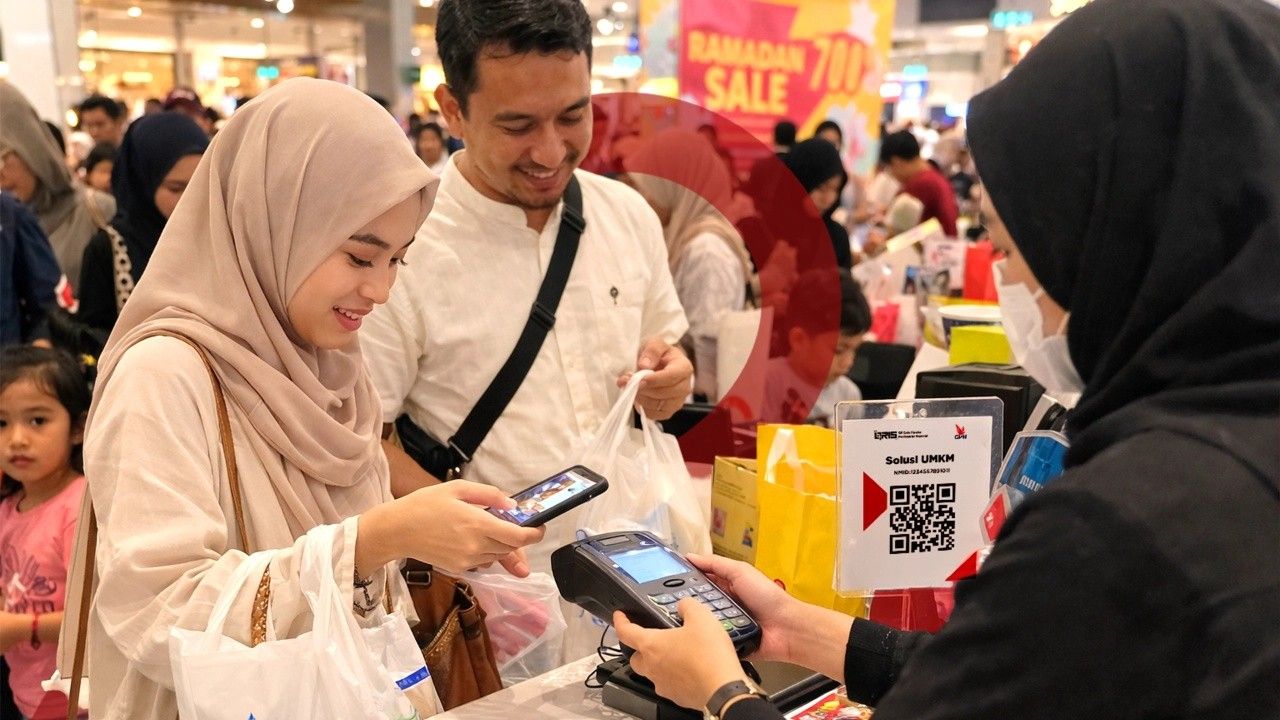
Ramadan is often accompanied by a noticeable increase in economic activity and consumer transactions. During the holy month, people rely more heavily on digital financial services for a wide range of needs—from online shopping and charitable giving such as zakat and donations, to sending money to family members and booking travel tickets for the annual Eid homecoming.
This pattern is reflected in the continued growth of digital transactions across Indonesia. According to the latest data from Bank Indonesia, 4.79 billion digital transactions were recorded as of January 2026, representing a 39.65% year-on-year increase. Meanwhile, the use of QRIS has grown even faster, with transaction volumes rising 131.47% (yoy) over the same period.
In line with these developments, internal analysis also projects that transaction volumes through the Link Network will increase by 200% during this year’s Ramadan–Eid (RAFI) period, with QRIS expected to record the highest growth among payment channels.
The strong growth of digital transactions reflects the increasingly central role of digital financial services in everyday life. At the same time, however, the expanding digital landscape also brings new challenges—particularly in safeguarding consumers from the growing risk of digital fraud.
A Surge in Digital Fraud Cases
As digital adoption accelerates, cybercrime continues to evolve alongside it. Fraud schemes are becoming more diverse and increasingly sophisticated, often exploiting gaps in user awareness.
Data from the Indonesia Anti Scam Centre (IASC) shows that since its establishment in 2024 until 14 January 2026, the institution has received 432,637 reports of digital fraud, with total reported losses reaching IDR 9.1 trillion.
The most reported scams include online shopping fraud, impersonation or fake calls, investment scams, job scams, and fraud conducted through social media platforms. In addition, love scams—fraud schemes that manipulate victims through emotional relationships—are also becoming increasingly prevalent globally, including in Indonesia.
While the rapid expansion of digital transactions has broadened access to financial services, it has also provided new opportunities for cybercriminals to exploit technological advancements. Fraud schemes continue to evolve, particularly as technologies such as Artificial Intelligence (AI) become more accessible. These risks are especially relevant during high-transaction periods such as the lead-up to the Eid homecoming season.
Ramadan: A Period of Heightened Fraud Risk
During Ramadan, consumers typically become more active in digital transactions while also responding more readily to various offers circulating online. Online shopping increases, donation campaigns multiply, and preparations for Eid travel begin to take shape.
Unfortunately, these conditions also create opportunities for fraudsters to spread misleading offers or deceptive information designed to attract victims.
According to the Financial Services Authority (OJK), within the first 10 days of Ramadan alone, authorities recorded 13,130 fraud reports linked to 22,593 reported bank accounts suspected of being involved in fraudulent activity.
In many cases, scammers exploit situations that closely align with consumer needs during Ramadan and the lead-up to Eid. Fake holiday promotions, fraudulent vehicle sales for homecoming travel, and fictitious hampers or package deliveries are among the tactics frequently used to deceive consumers.
Fraud Schemes to Watch Out For
Understanding how common fraud schemes work is a key step in protecting oneself when making digital transactions. Some of the most frequently encountered schemes include:
Phishing and Smishing
Fraudsters distribute malicious links via SMS, email, or messaging applications disguised as official notifications from banks, logistics providers, or digital platforms. These links are designed to trick users into entering sensitive information such as PINs, passwords, or OTP codes.
Fake Charity or Zakat Campaigns
Taking advantage of the spirit of generosity during Ramadan, scammers circulate fraudulent fundraising campaigns through social media or chain messages.
Online Shopping Scams
Fraudsters advertise products at unusually low prices through social media or fake online stores. Once payment is made, the promised items are never delivered.
Fake Travel Tickets for the Eid Homecoming
Ahead of the Eid holiday, scammers offer transportation tickets or travel packages at attractive prices that ultimately turn out to be invalid or nonexistent.
Tips for Safer Transactions During Ramadan and Eid Travel
Recognizing fraud schemes is only the first step. Consumers can also take several simple precautions to protect their digital transactions.
Some practical steps include:
- Use official and trusted payment channels when making transactions
- Double-check website addresses or links before entering personal information
- Never share OTP codes, PINs, or passwords with anyone
- Verify that charitable organizations are credible before making donations
- Be cautious of promotions or offers that seem too good to be true
- Enable transaction notifications on banking or digital wallet applications
- Immediately report suspected fraud through official channels such as the Indonesia Anti Scam Centre (IASC): https://iasc.ojk.go.id/
Strengthening Digital Literacy for a Safer Payment Ecosystem
The rapid digitalization of payment systems has made financial transactions more convenient than ever. However, the benefits of digital finance can only be fully realized when they are supported by strong digital literacy and greater consumer awareness.
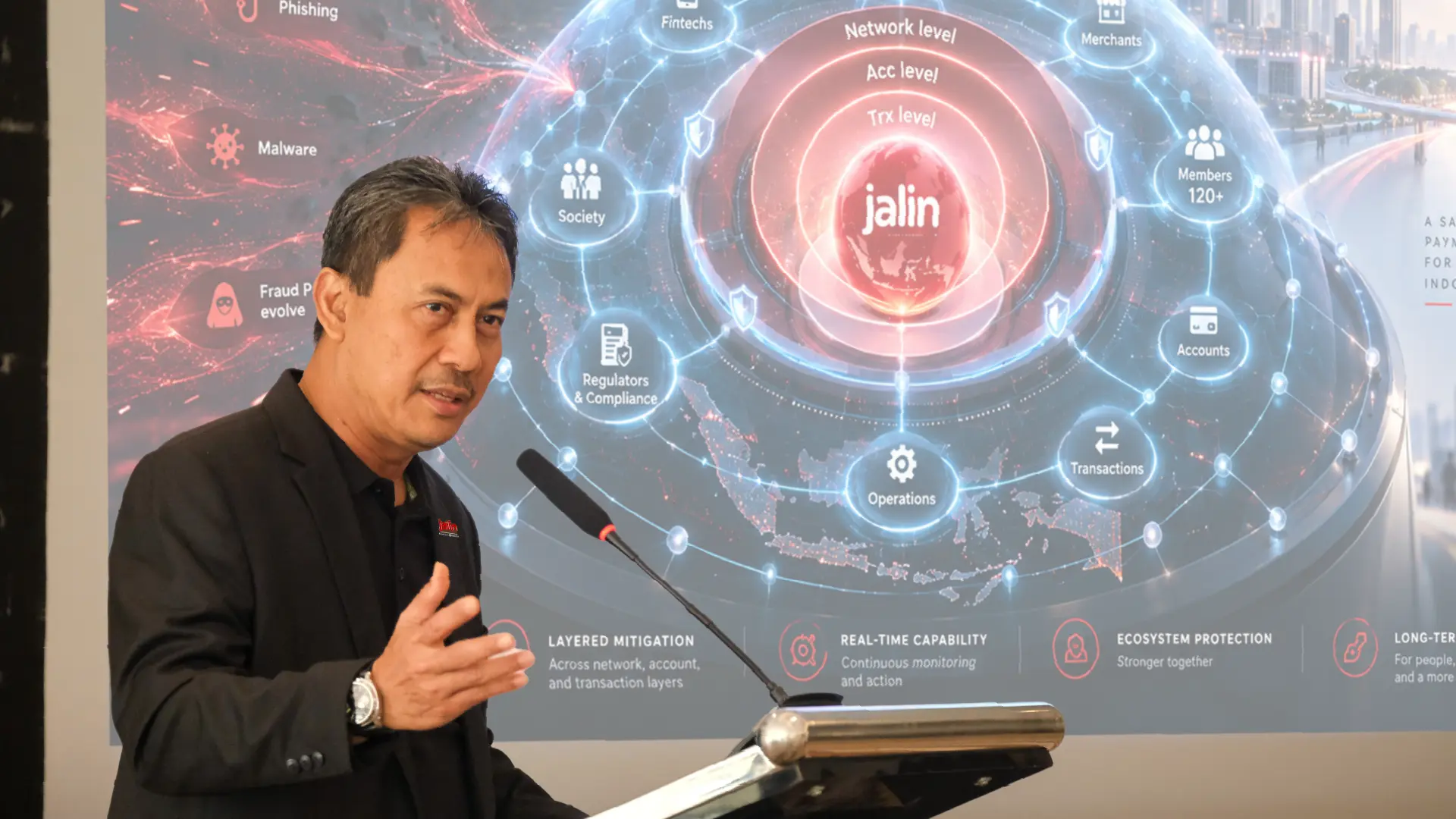
As part of Indonesia’s digital payment ecosystem, Jalin views the strengthening of digital literacy and transaction security as essential to building a payment environment that is secure, trusted, and inclusive. By understanding the evolving nature of fraud schemes, consumers can navigate digital financial services more safely—especially during periods of heightened activity such as this Ramadan and the Eid homecoming season.
1.webp)