Jakarta – PT Jalin Pembayaran Nusantara (“Jalin”), part of the Danantara Indonesia ecosystem, highlighted the importance of shared payment infrastructure as a key foundation for Indonesia’s digital economy growth. This approach is becoming increasingly relevant as digital financial and payment services continue to evolve, driving greater demand for efficient, secure, reliable, and interconnected infrastructure.
In August 2026, Bank Indonesia recorded 6.11 billion digital payment transactions, representing a 40.36% year-on-year (YoY) increase. During the same period, QRIS transactions grew by 67.22% YoY, while retail transactions processed through BI-FAST reached 549 million, up 37.72% YoY. These figures reflect the growing scale of digital payment activities and the need for robust, sustainable infrastructure to support their continued expansion.
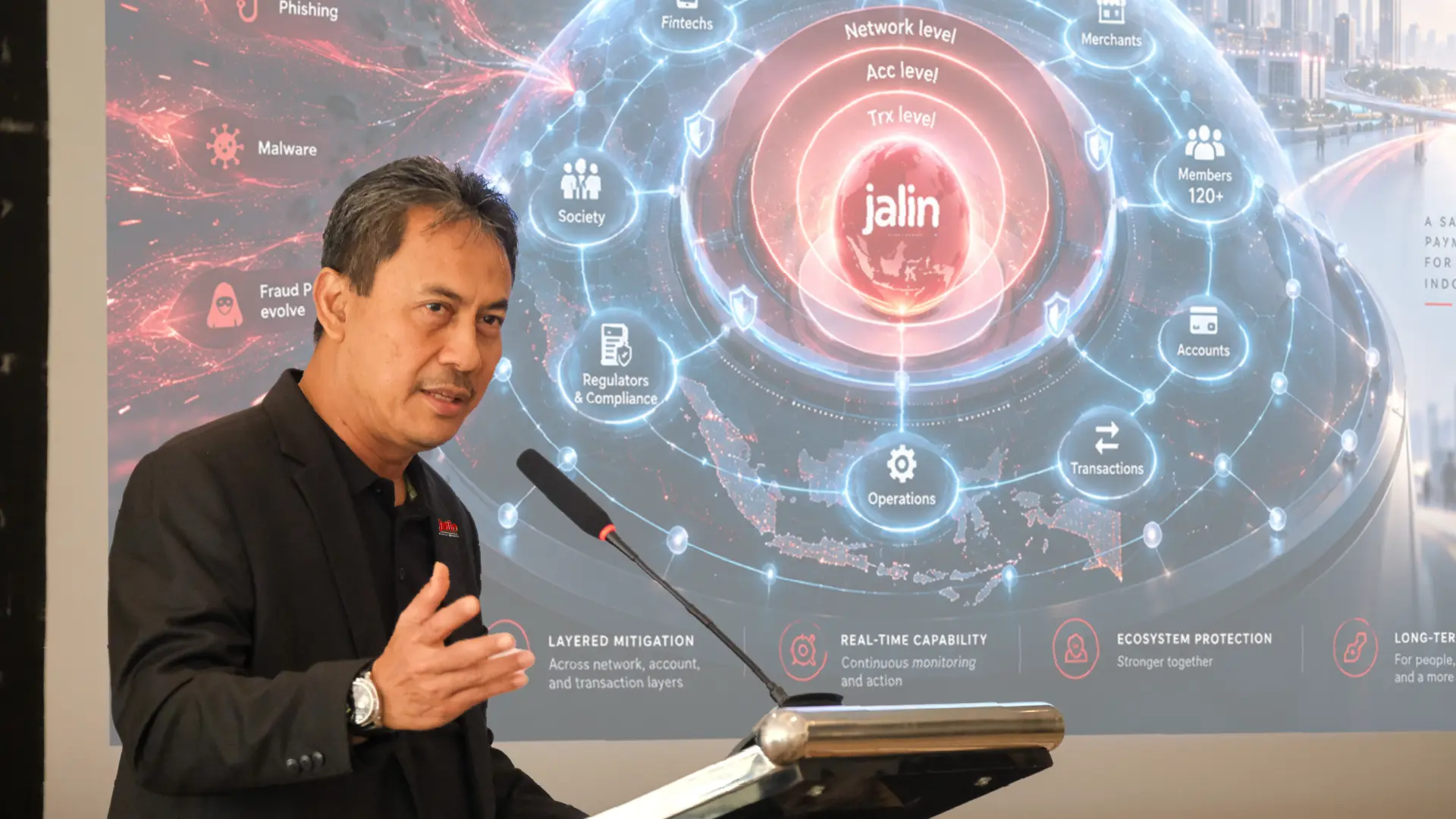
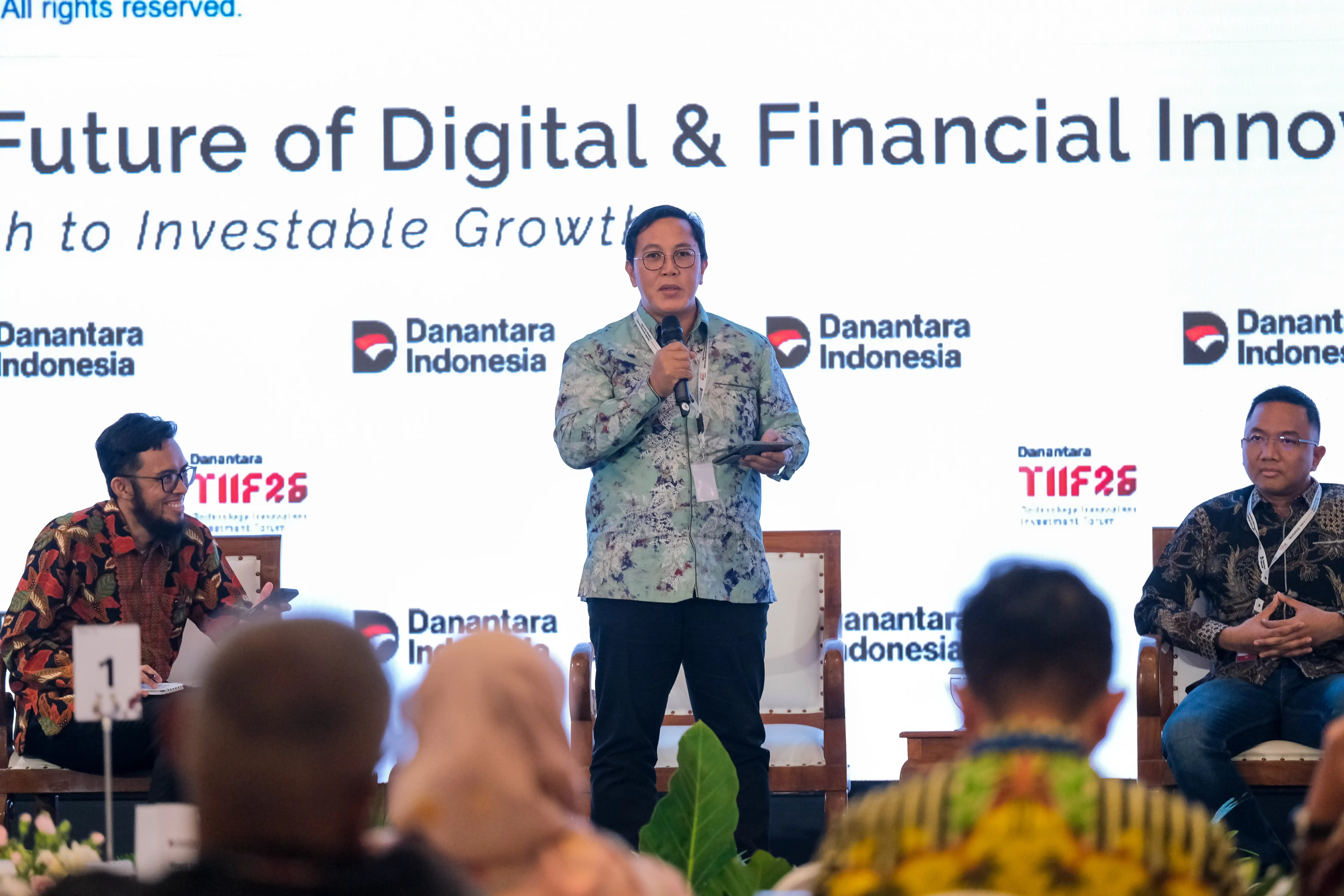
Against this backdrop, Jalin shared its perspective on the future of Indonesia’s payment infrastructure at the Danantara Technology, Innovation, and Investment Forum 2026 (DTIIF 2026), held in Jakarta on Thursday (October 8). Speaking during the session titled The Future of Financial Technology and Indonesia’s Financial Ecosystem, Jalin President Director Ario Tejo Bayu Aji discussed opportunities to leverage shared infrastructure to support the growth of Indonesia’s digital financial ecosystem.
According to Ario, the challenge ahead extends beyond enabling industry players to deliver continuous innovation. It also involves making better use of existing investments, assets, and technological capabilities.
“Indonesia’s digital financial ecosystem holds significant growth potential. To fully realize this potential, we need to explore how existing infrastructure can be utilized more broadly. With a more interconnected foundation, industry players can focus on developing services and innovations that deliver greater value to the public,” said Ario.
Shared payment infrastructure enables multiple institutions to access common payment capabilities without having to build their own underlying infrastructure. This approach is particularly relevant within the Danantara ecosystem, where assets, networks, technologies, and digital capabilities are distributed across its portfolio companies.
This direction aligns with Danantara’s efforts to accelerate digital transformation among state-owned enterprises through technology consolidation and shared capabilities. Danantara estimates that synergies in areas with significant duplication, including technology spending, digital infrastructure, licensing, and shared services, could generate initial efficiency gains of approximately 25–40%, depending on each company’s characteristics and readiness.
For Jalin, the opportunity goes beyond cost reduction. It is about transforming capabilities previously used by individual institutions into shared resources that benefit the broader ecosystem. Existing infrastructure, networks, and expertise can be leveraged across institutions and use cases, reducing the need to build new capabilities from scratch.
Ario further emphasized that this model requires clearly defined roles and responsibilities.
“The government and regulators establish policies and standards, industry players develop innovations that respond to market needs, while infrastructure providers ensure the connectivity, security, and operational reliability needed to support the ecosystem’s growth at scale,” Ario explained.
As a national payment infrastructure provider, Jalin sees shared payment infrastructure as an essential part of building a national enabling layer for the digital financial ecosystem. Within Danantara, this approach creates opportunities to better coordinate and utilize existing assets and capabilities across portfolio companies, generating greater collective value.
This also aligns with Danantara’s broader priorities of collaboration, synergy, asset optimization, and long-term value creation across its state-owned enterprise ecosystem.
In line with Jalin’s vision, The National Digital Highway, shared payment infrastructure can help strengthen connectivity across institutions, reduce duplication in infrastructure investments and development, enhance security and operational resilience, and enable industry players to focus more on innovation. Together, these benefits can support a more inclusive, resilient, and sustainable digital financial ecosystem in Indonesia.