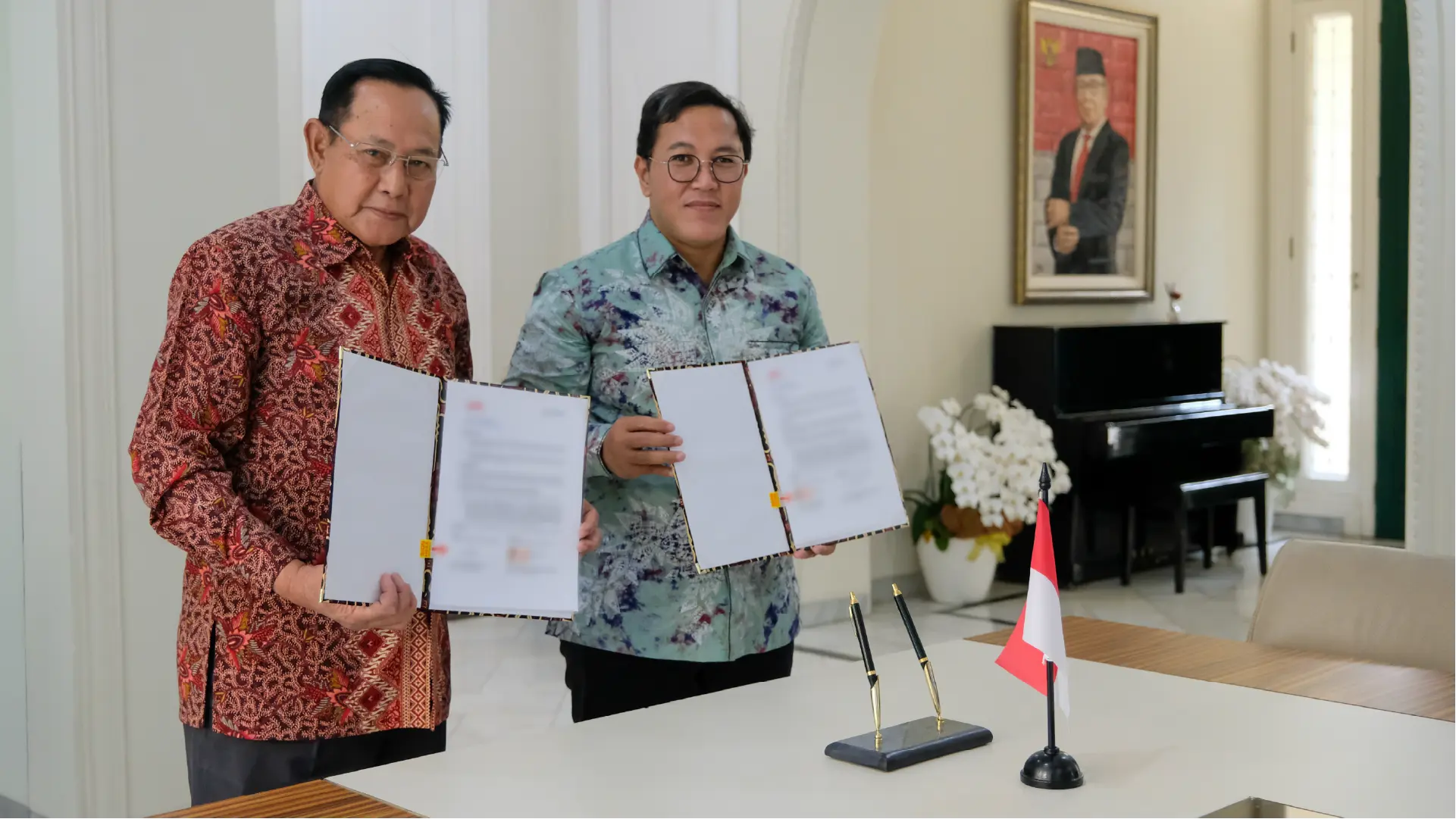
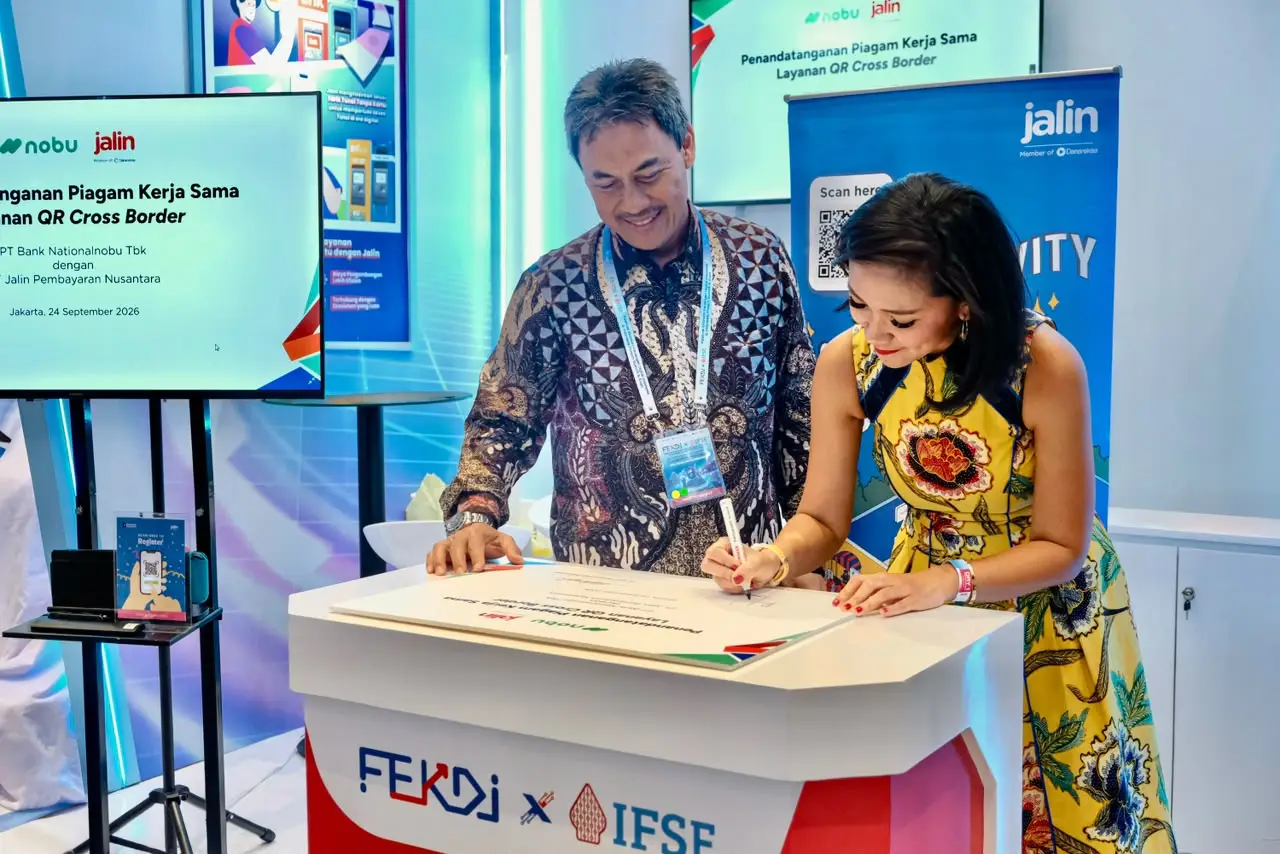
- Nobu Bank and Jalin agreed to develop Cross-Border QRIS for the Hong Kong corridor during FEKDI x IFSE 2026.
- The initiative will expand cross-border payment capabilities and provide customers with more convenient access to payments while in Hong Kong.
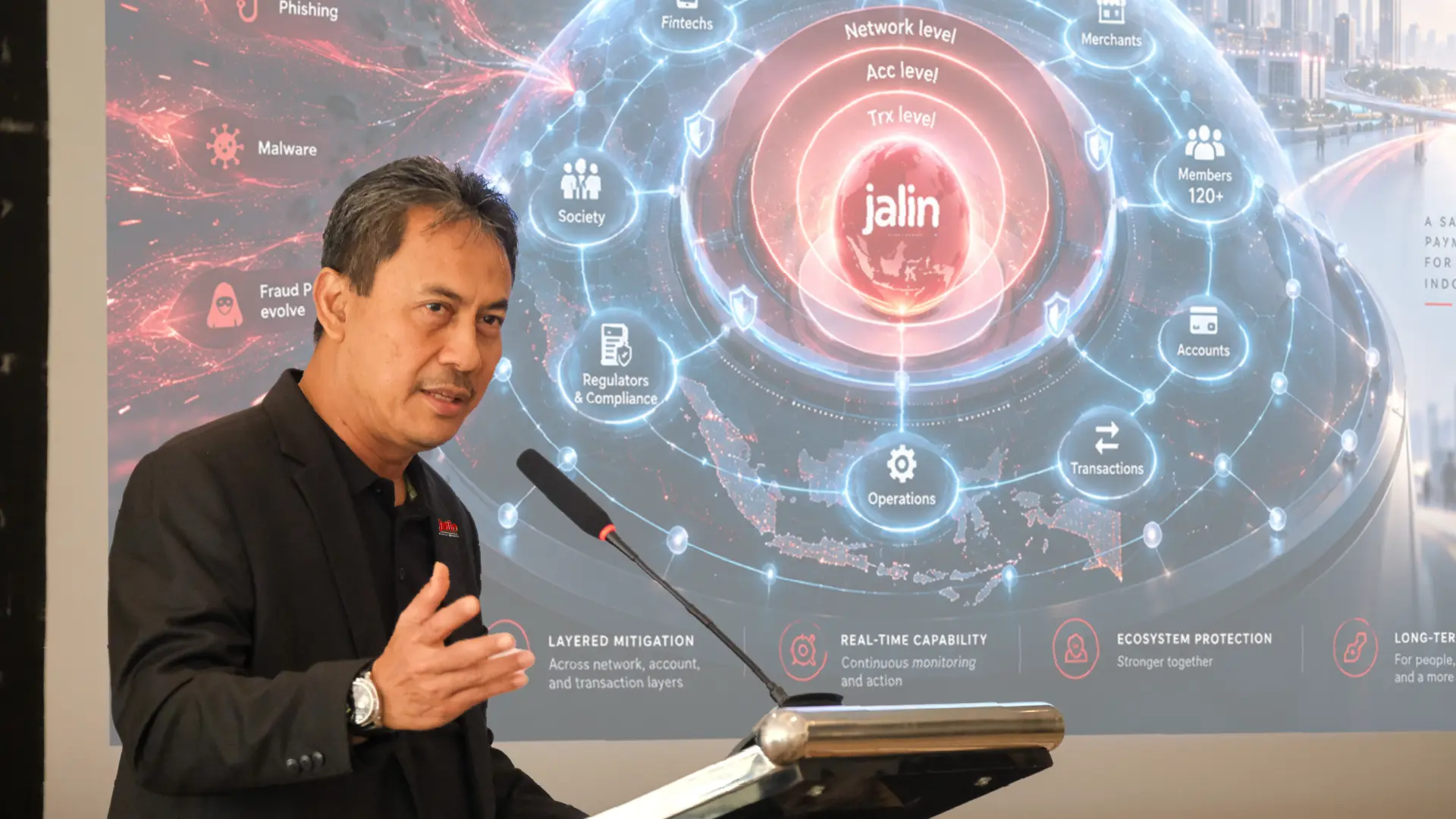
- Jalin will support transaction connectivity and processing through its payment system infrastructure, which currently serves more than 120 banking and financial technology institutions.
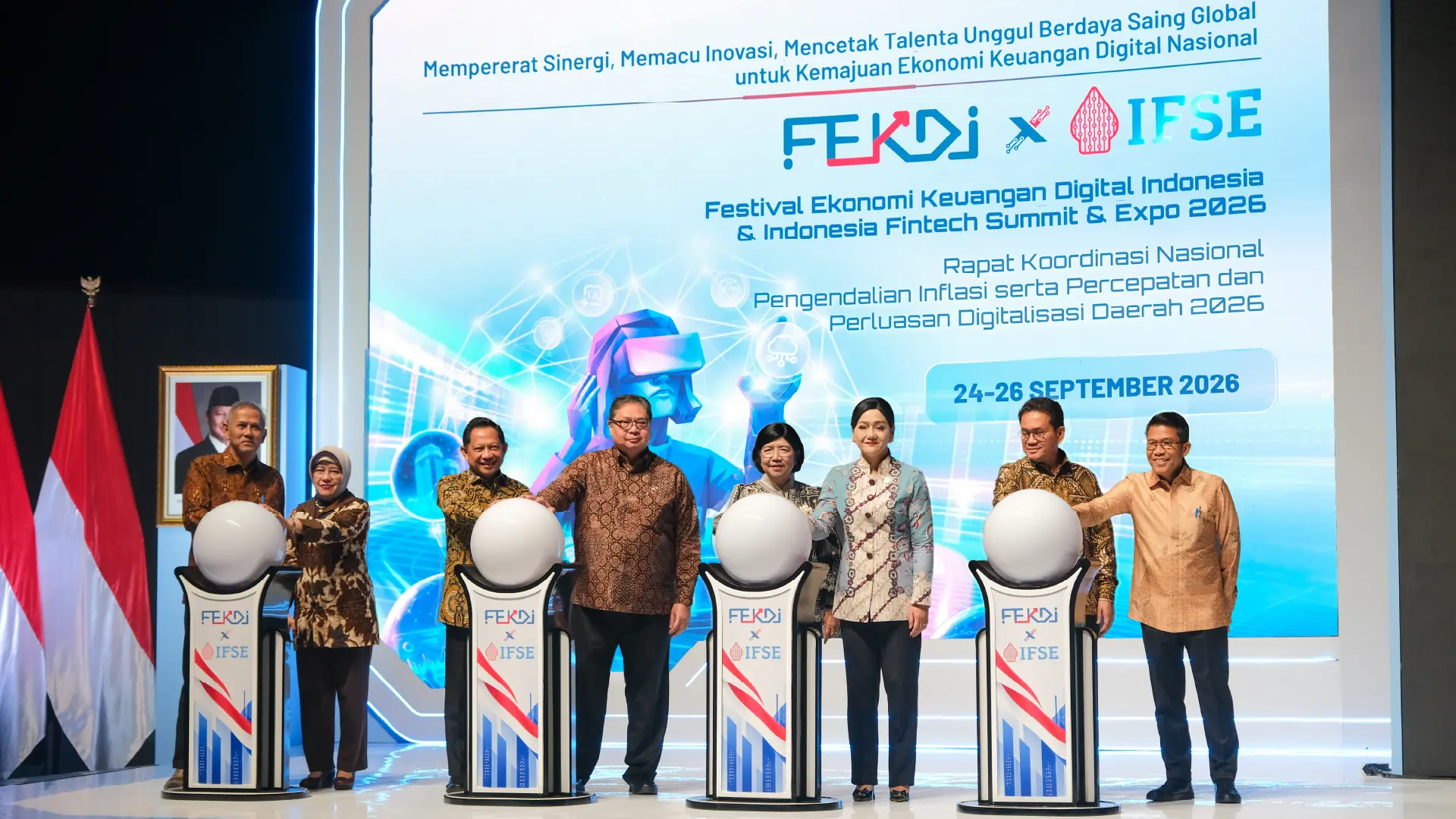
Jakarta – PT Bank Nationalnobu Tbk (“Nobu Bank”) and PT Jalin Pembayaran Nusantara (“Jalin”) have agreed to develop Cross-Border QRIS services for the Hong Kong corridor during the Festival Ekonomi Keuangan Digital Indonesia (FEKDI) x Indonesia Fintech Summit & Expo (IFSE) 2026.
The collaboration will expand Nobu Bank’s cross-border payment capabilities. Going forward, customers will be able to make payments at participating merchants in Hong Kong using Nobu Go, Nobu Bank’s payment application that supports Cross-Border QRIS.
For Nobu Bank, the Hong Kong corridor marks the next phase in the development of its international payment services, in line with the increasingly cross-border mobility of its customers.
Steve Marciano, Director of Nobu Bank, said that customers’ expectations for a simple and seamless payment experience are no longer limited to domestic transactions.
“As customer mobility becomes increasingly cross-border, their expectations are also shifting toward simpler and more seamless payment experiences. The development of Cross-Border QRIS for Hong Kong will enable us to extend the convenience customers already experience in Indonesia to one of Asia’s key centres for economic activity and international travel,” said Steve.
“This initiative builds on Nobu Bank’s existing Cross-Border QRIS capabilities, which already support the South Korea corridor. We want to ensure that Nobu Go remains increasingly relevant to our customers’ needs, including when they travel, shop, and carry out other activities overseas,” he added.
The development comes amid growing adoption of Cross-Border QRIS. Bank Indonesia recorded that, from its initial implementation in 2022 through July 2026, users from partner countries conducted approximately 25.67 million Cross-Border QRIS transactions in Indonesia, with a total value of Rp7.63 trillion.
During the same period, Indonesian users conducted 4.67 million transactions in partner countries, with a total value of Rp1.73 trillion. This growth reflects the expanding use of QRIS to support cross-border economic activities, including trade, travel, and tourism.
Under the collaboration, Jalin, as part of Danantara Indonesia, will support transaction connectivity and processing through its payment system infrastructure, which is connected to Indonesia’s banking and financial technology ecosystem.
Eko Dedi Rukminto, Director of Jalin, said that expanding cross-border payment services requires infrastructure capable of connecting multiple institutions and payment networks in a reliable and interoperable manner.
According to Eko, broader Cross-Border QRIS connectivity also creates opportunities for Indonesia’s payment industry to expand services without having to establish separate connectivity for each individual market or use case.
“As more corridors become interconnected, the need for reliable and interoperable infrastructure will continue to grow. This is where Jalin plays its role as an infrastructure enabler, helping banks and financial technology companies extend their services across a wider range of cross-border economic activities,” he said.
Through Cross-Border QRIS, users can make payments in partner countries using their domestic payment applications. The connectivity also supports the use of local currencies through the Local Currency Transaction (LCT) framework, helping make cross-border transactions more efficient.
The collaboration between Nobu Bank and Jalin forms part of broader efforts to strengthen the connectivity of Indonesia’s payment system with partner countries. It also reflects the increasingly strategic role of payment infrastructure in supporting trade, tourism, and broader economic relations across borders.