
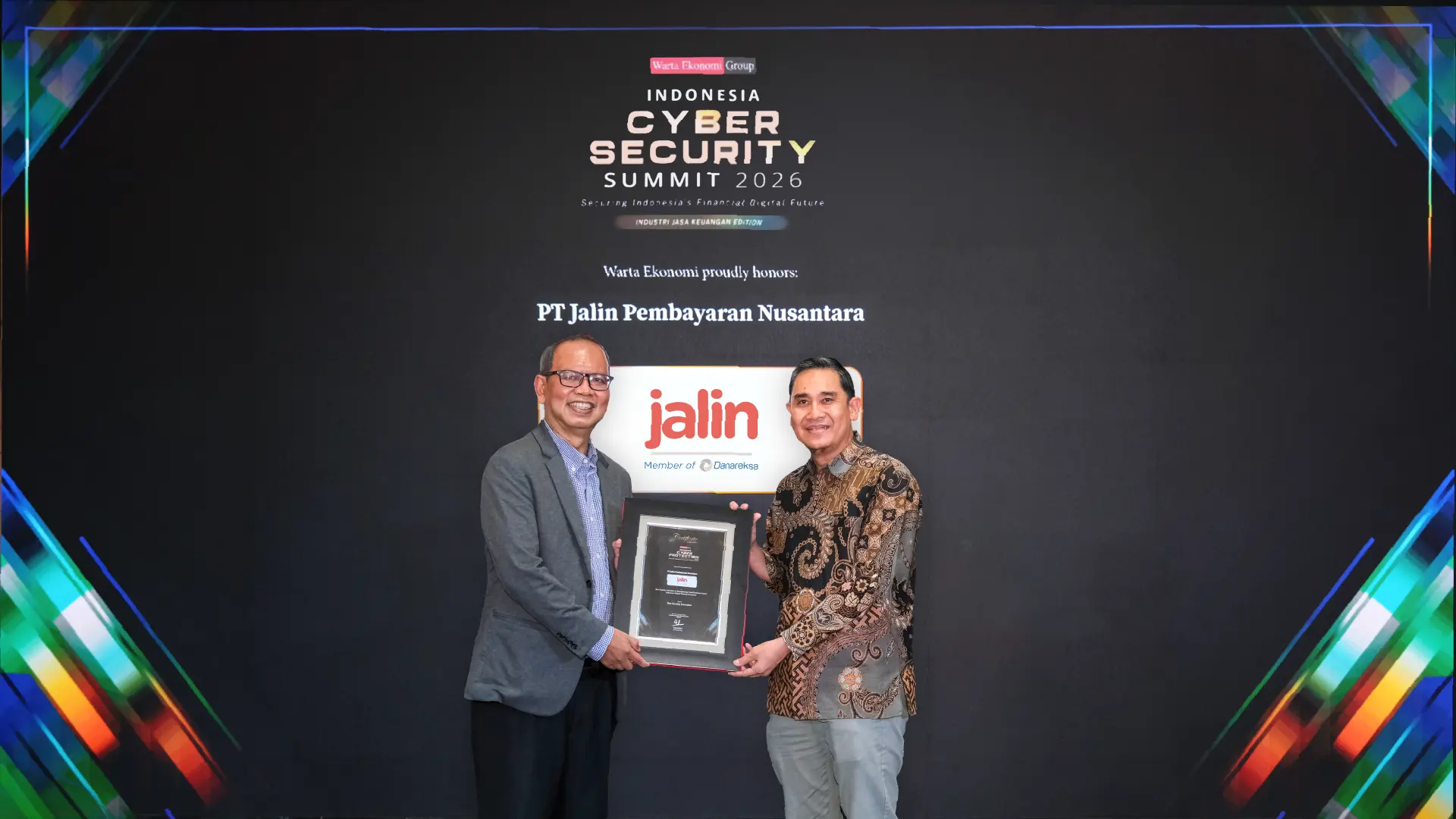
PT Jalin Pembayaran Nusantara (Jalin), part of the Danantara Indonesia Ecosystem, received the “Excellence in Security Innovation in Strengthening Fraud Resilience Across Indonesia’s Digital Payment Ecosystem” award from Warta Ekonomi on Thursday (13/08). The award recognizes Jalin’s contribution to strengthening the security and resilience of Indonesia’s digital payment ecosystem through integrated, secure, and reliable infrastructure.
The achievement underscores Jalin’s capabilities in developing payment infrastructure that supports transaction security while enhancing the ecosystem’s resilience against fraud risks. The recognition further reinforces Jalin’s role as a trusted payment infrastructure provider, following its previous recognition as “Indonesia’s Trusted Payment Infrastructure” at the Indonesia Top Bank Awards 2026.
As digital payment adoption continues to accelerate, security challenges are also becoming increasingly complex. Risks no longer arise solely from the technology layer, but may emerge across multiple points throughout the transaction chain, involving financial institutions, service providers, and end users. This situation calls for a security approach that goes beyond individual points of defense and instead builds resilience across the ecosystem as a whole.
In this context, Jalin positions cybersecurity as a strategic capability embedded in the development and management of its payment infrastructure. For Jalin, security is not merely an operational support function, but one of the fundamental pillars in maintaining the reliability and sustainability of payment connectivity that connects financial institutions and industry players.
Aries Fajar Kurnia, SVP IT Infrastructure & Security at Jalin, said while receiving the award, “For Jalin, security is not only about protecting systems, but also about building collective resilience across the ecosystem. As more institutions and services become interconnected, the risks we face are also becoming increasingly complex. Therefore, our approach to cybersecurity and fraud resilience must be collaborative, integrated, and comprehensive”.
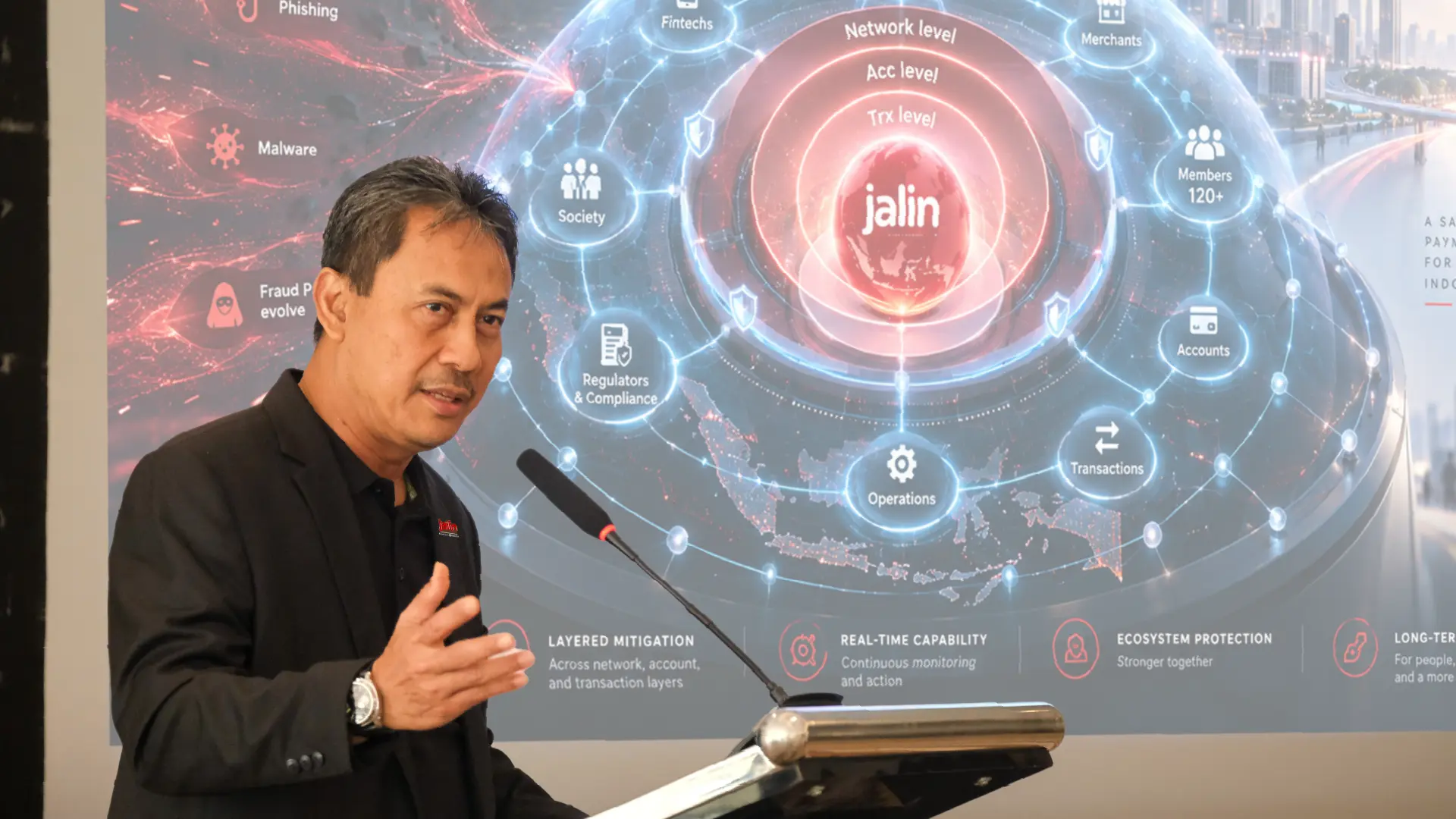
This approach is reflected in the continuous strengthening of Jalin’s security capabilities across people, process, and technology. From an operational perspective, Jalin is supported by a Security Operations Center (SOC) and Computer Security Incident Response Team (CSIRT) to strengthen monitoring, detection, and response capabilities against potential cybersecurity incidents. Jalin also implements a fraud detection system, conducts **threat intelligence and threat information sharing, and regularly performs vulnerability assessments and penetration testing as part of its prevention and early detection efforts.
Organizational readiness is further strengthened through the implementation of Business Continuity Management (BCM), which is continuously updated and regularly tested through simulations of various disruption and incident scenarios. From the people perspective, Jalin continuously enhances employee awareness and preparedness through security awareness programs, training, and simulations, reinforcing the role of every individual as part of the organization’s defense mechanism.
These capabilities are regularly evaluated through security maturity assessments, including the Cyber Maturity Index, audits, and independent assessments. Jalin’s information security and data protection practices are also supported by the implementation of relevant standards and certifications, including ISO 27001, ISO 27701, PCI DSS, PCI PIN, and ISO 9001, which further strengthen the consistency of its governance and service quality management.
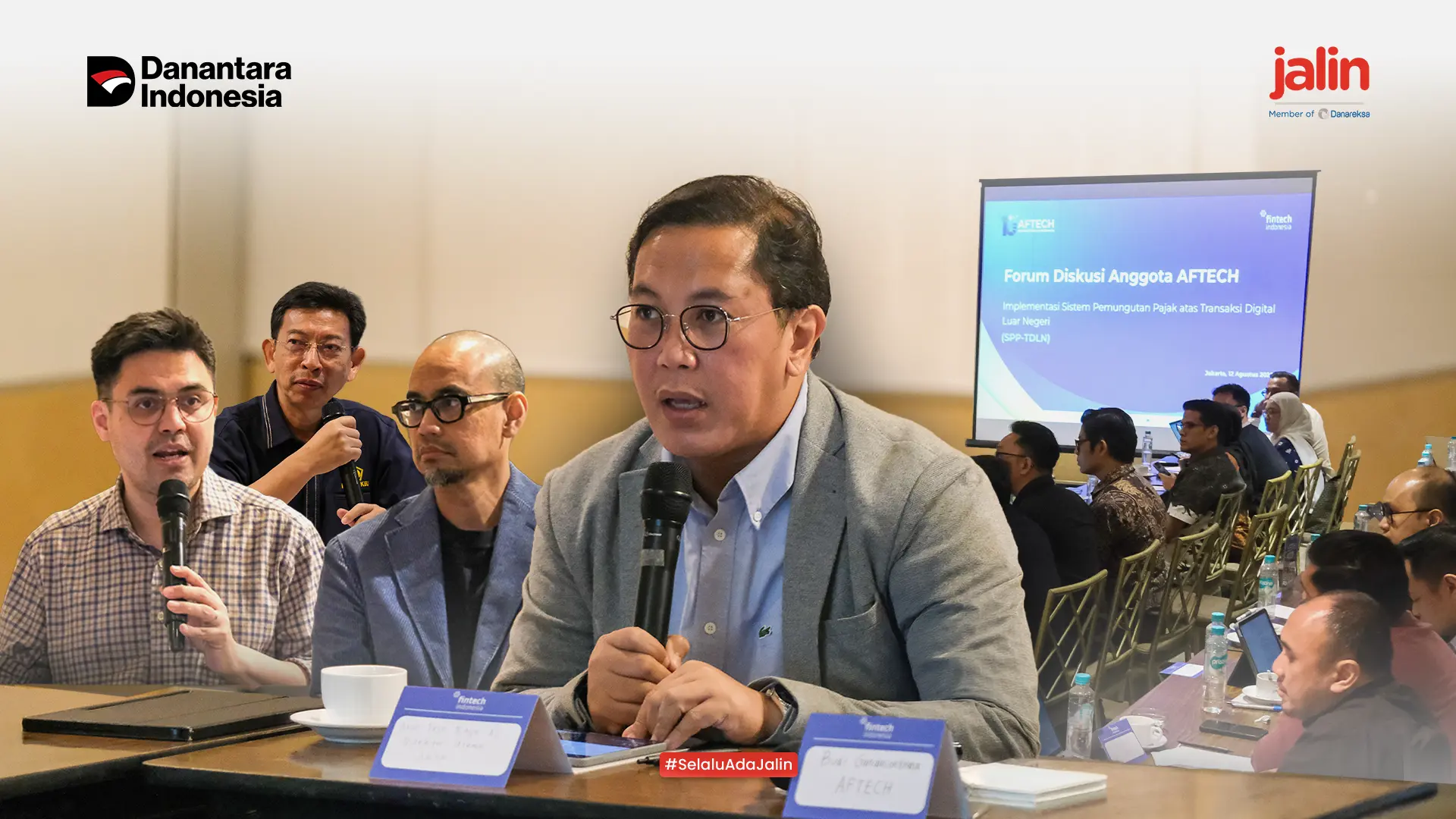
Beyond strengthening its internal capabilities, Jalin views cyber resilience as a shared responsibility across the ecosystem. Accordingly, Jalin continues to strengthen collaboration with various stakeholders, including the National Cyber and Crypto Agency (BSSN), banking associations, fintech associations, and other industry players. These collaborations aim to promote information sharing, enhance awareness, strengthen preparedness against emerging threats, and improve collective capabilities to detect and respond to risks in a faster and more coordinated manner.






_(1)_(1)1.webp)